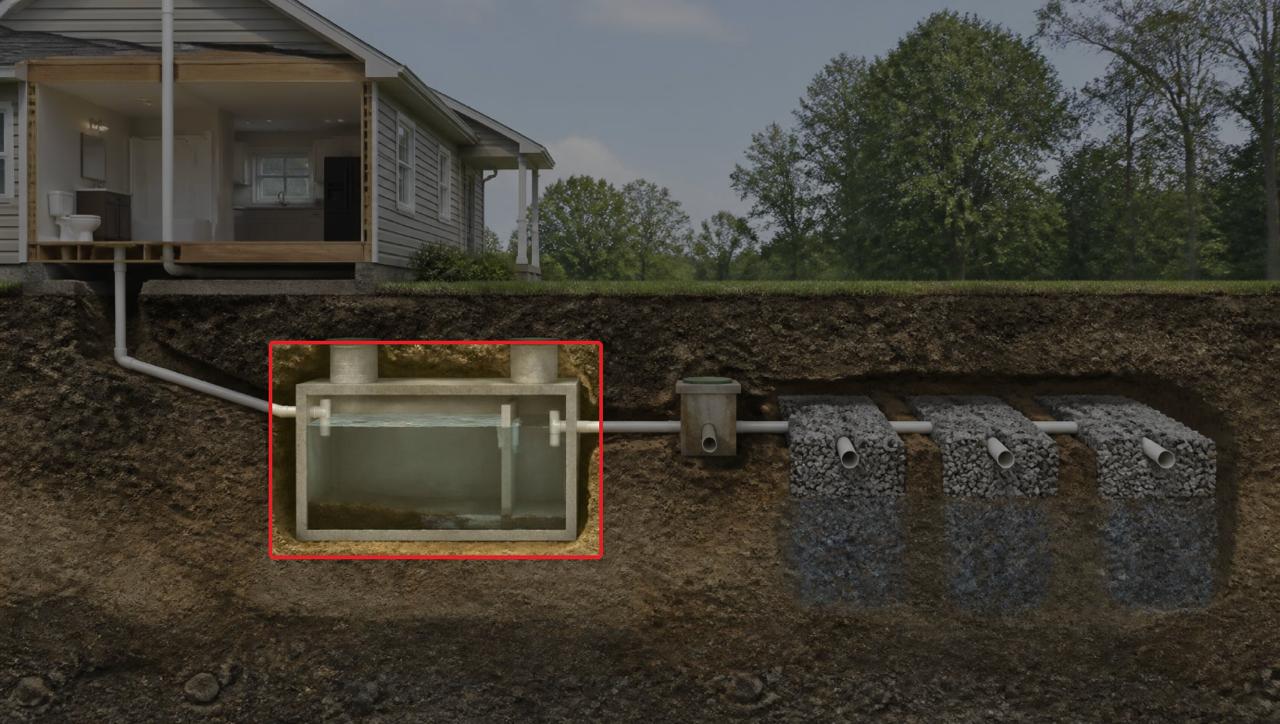
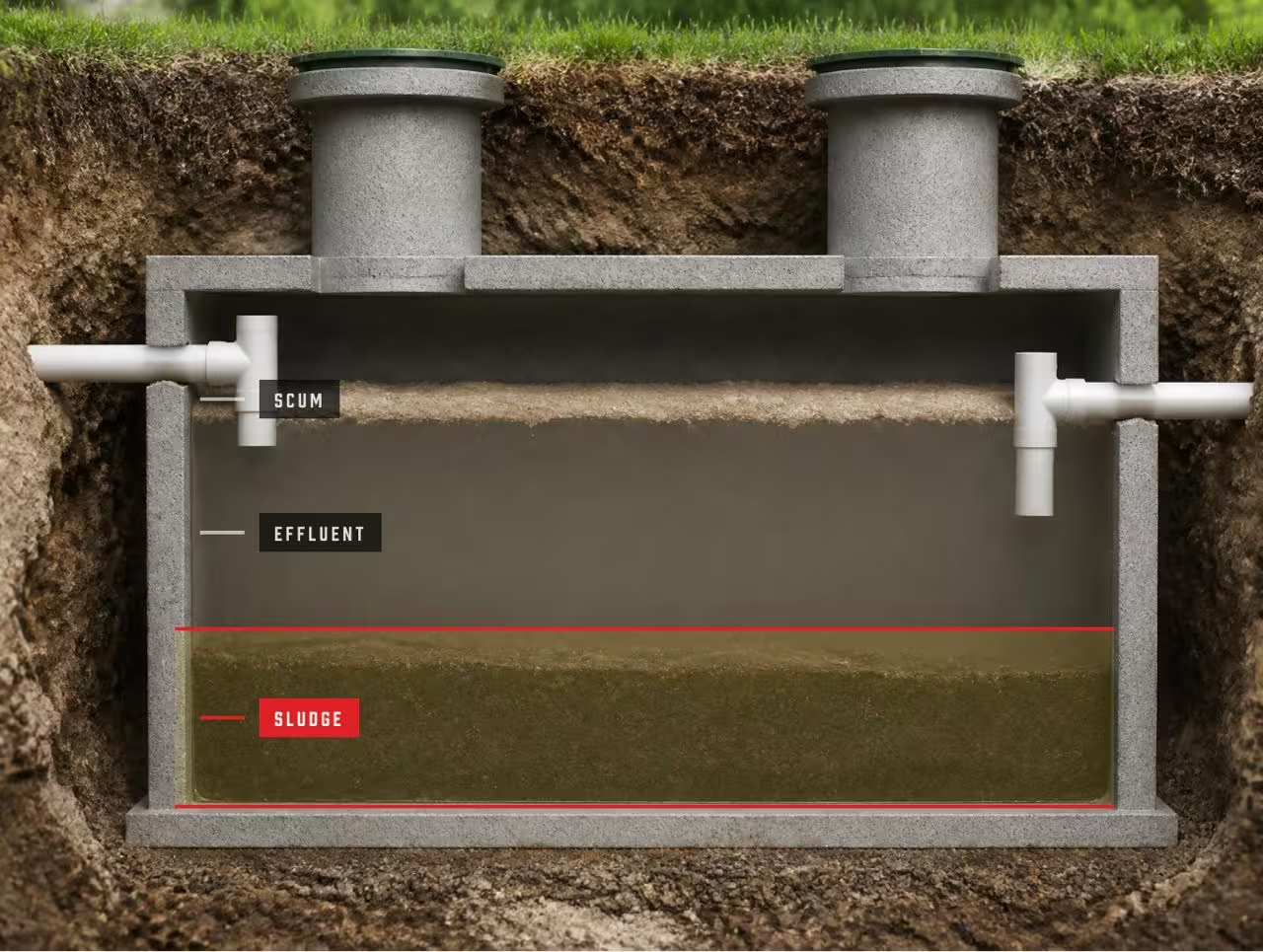
Your septic system handles thousands of gallons of wastewater behind the scenes. Understanding the basics can help you take better care of it—and recognize when something isn't right.
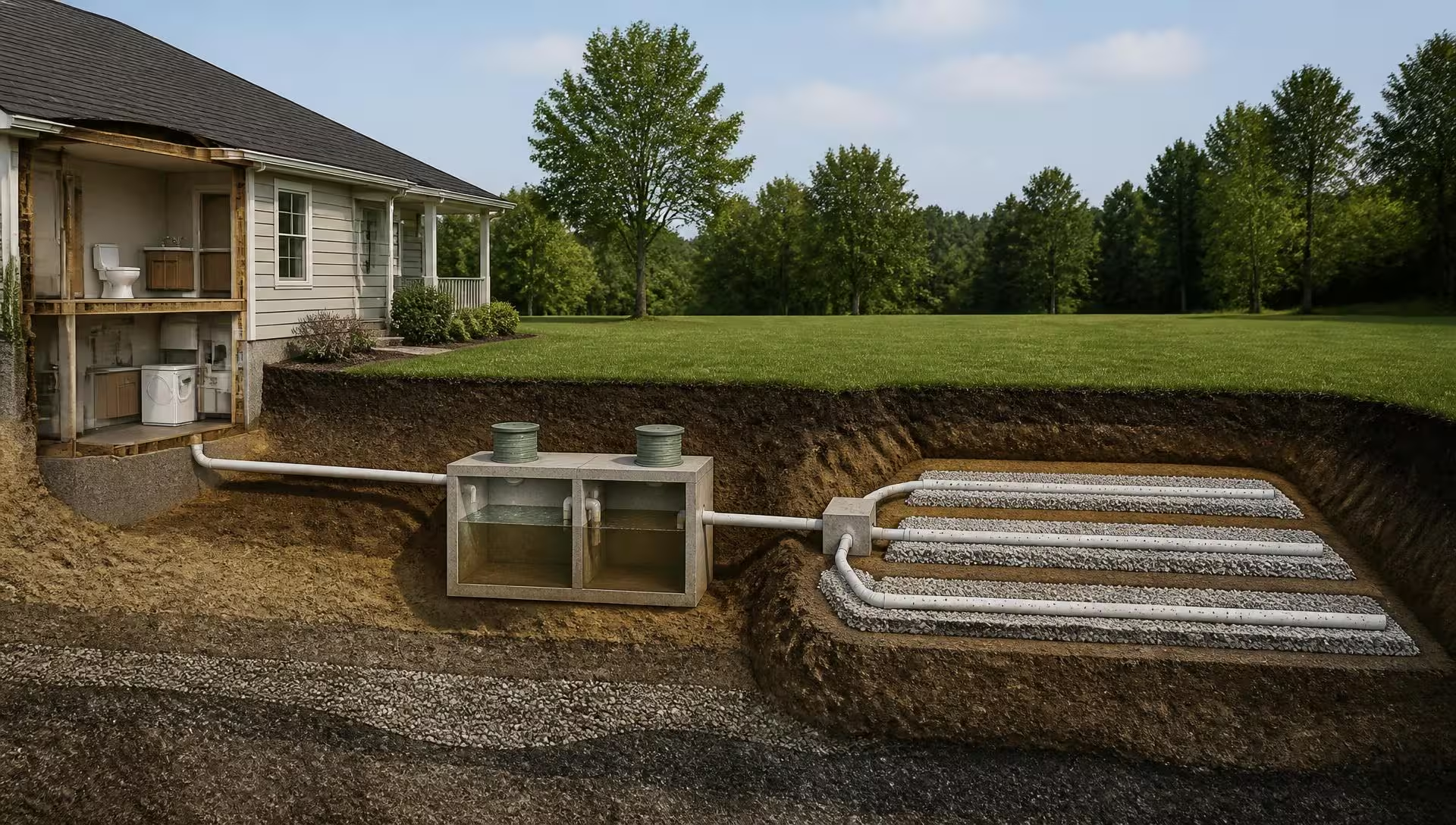
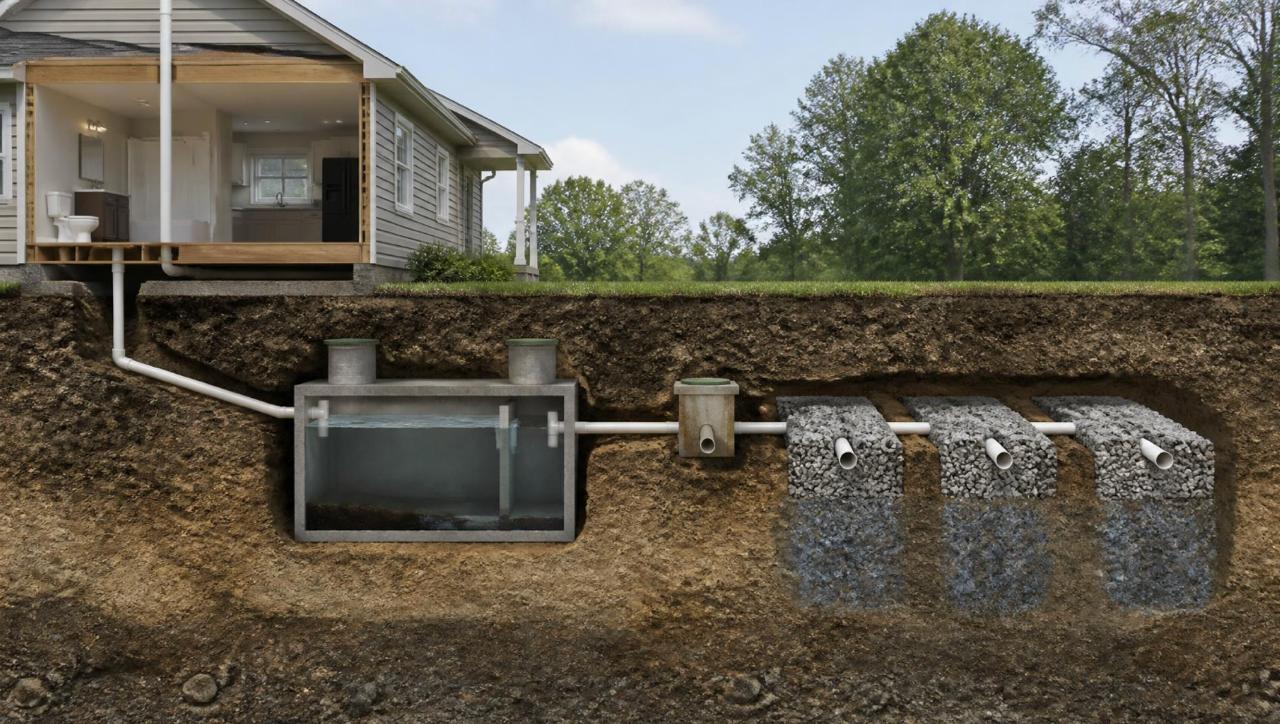
If your home isn't connected to a municipal sewer, wastewater is treated right on your property.
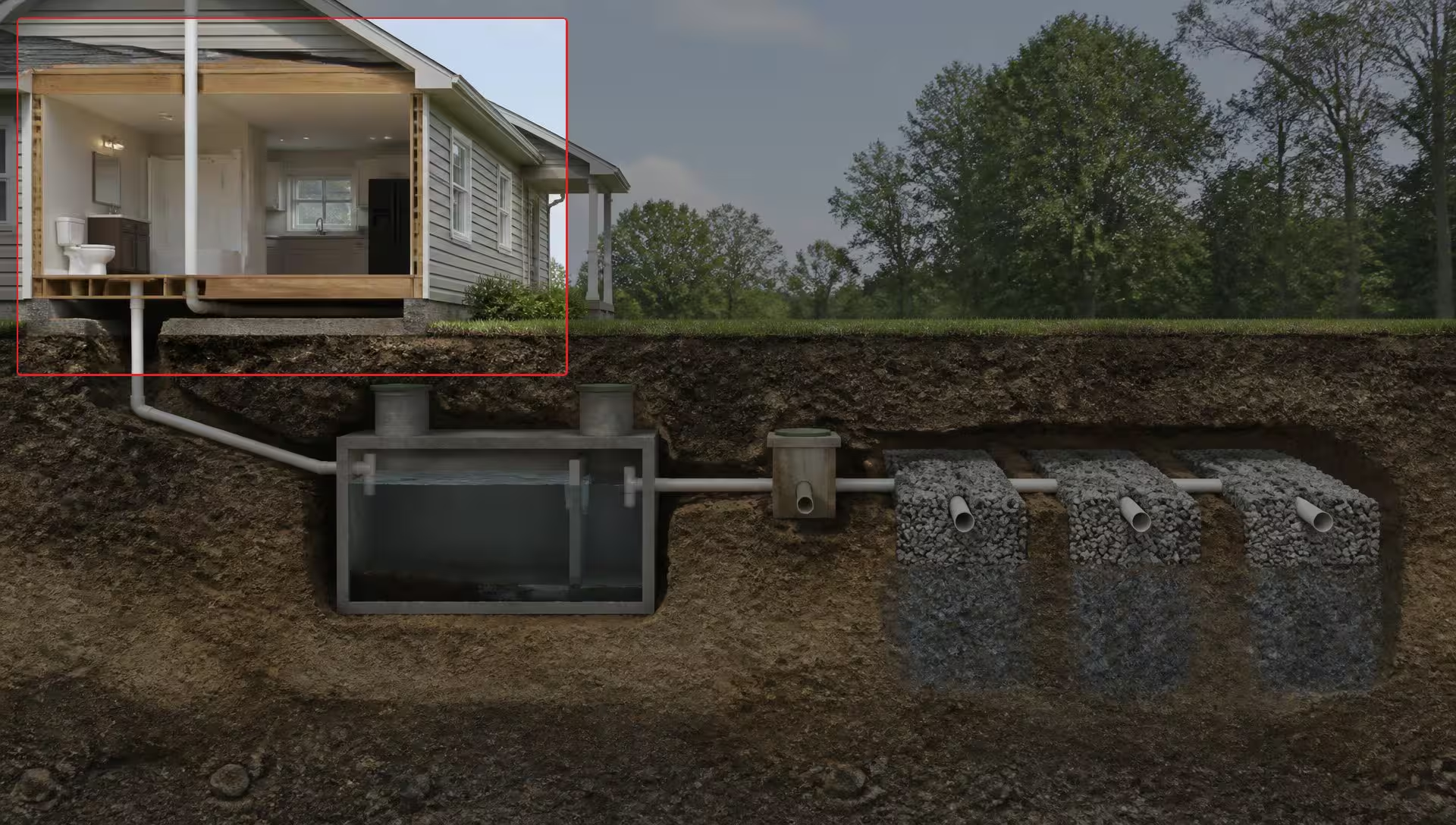
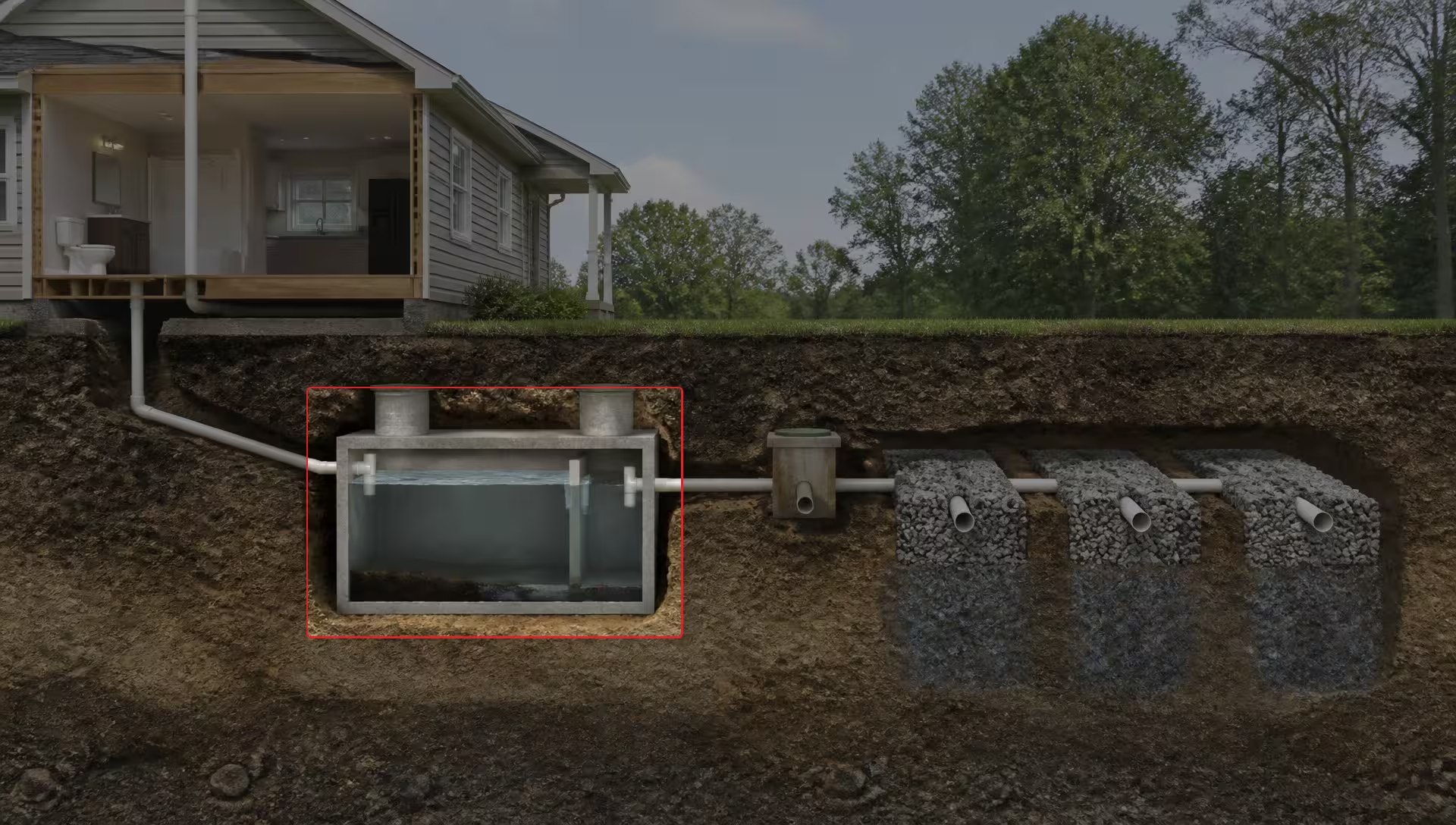
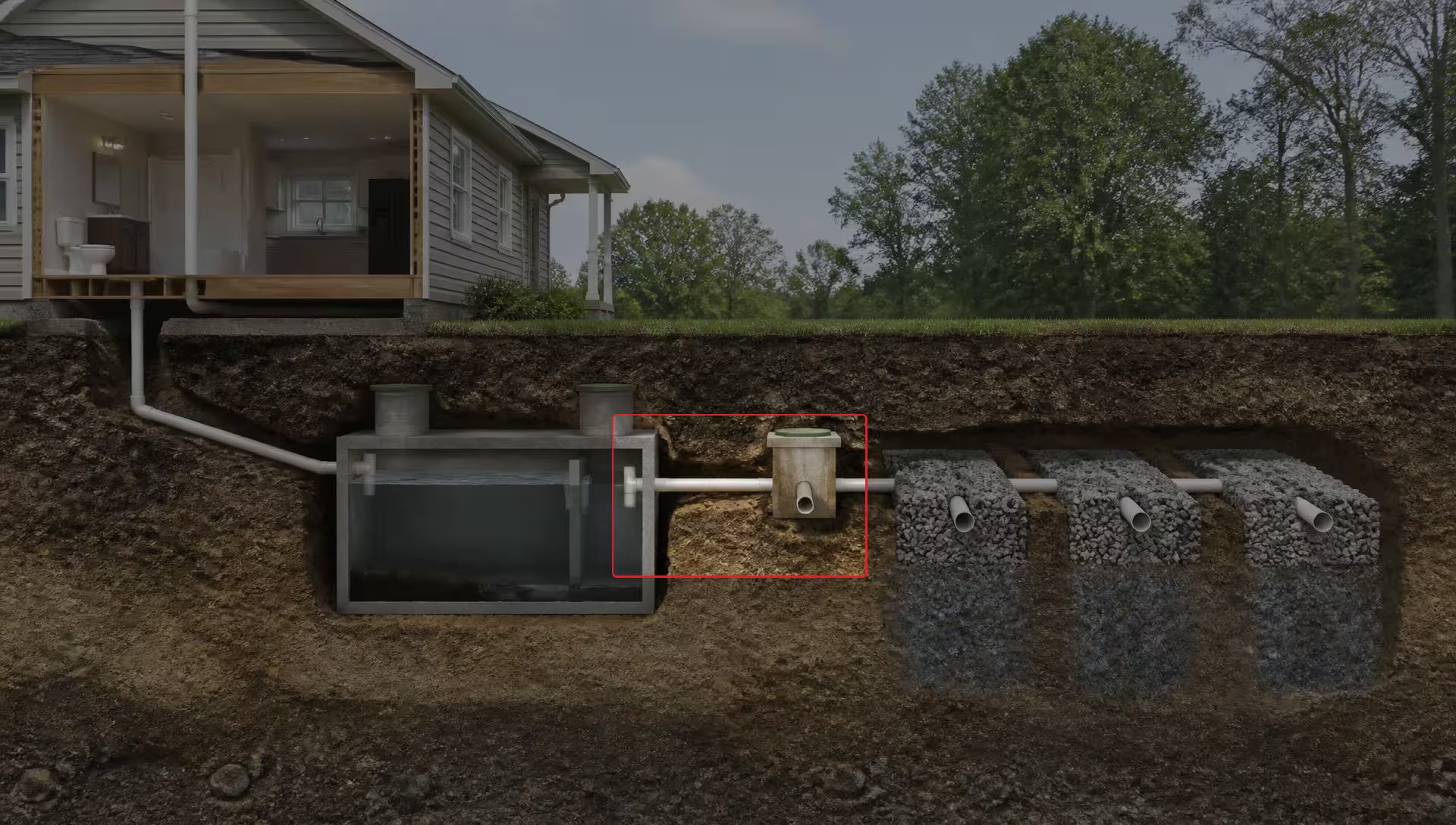
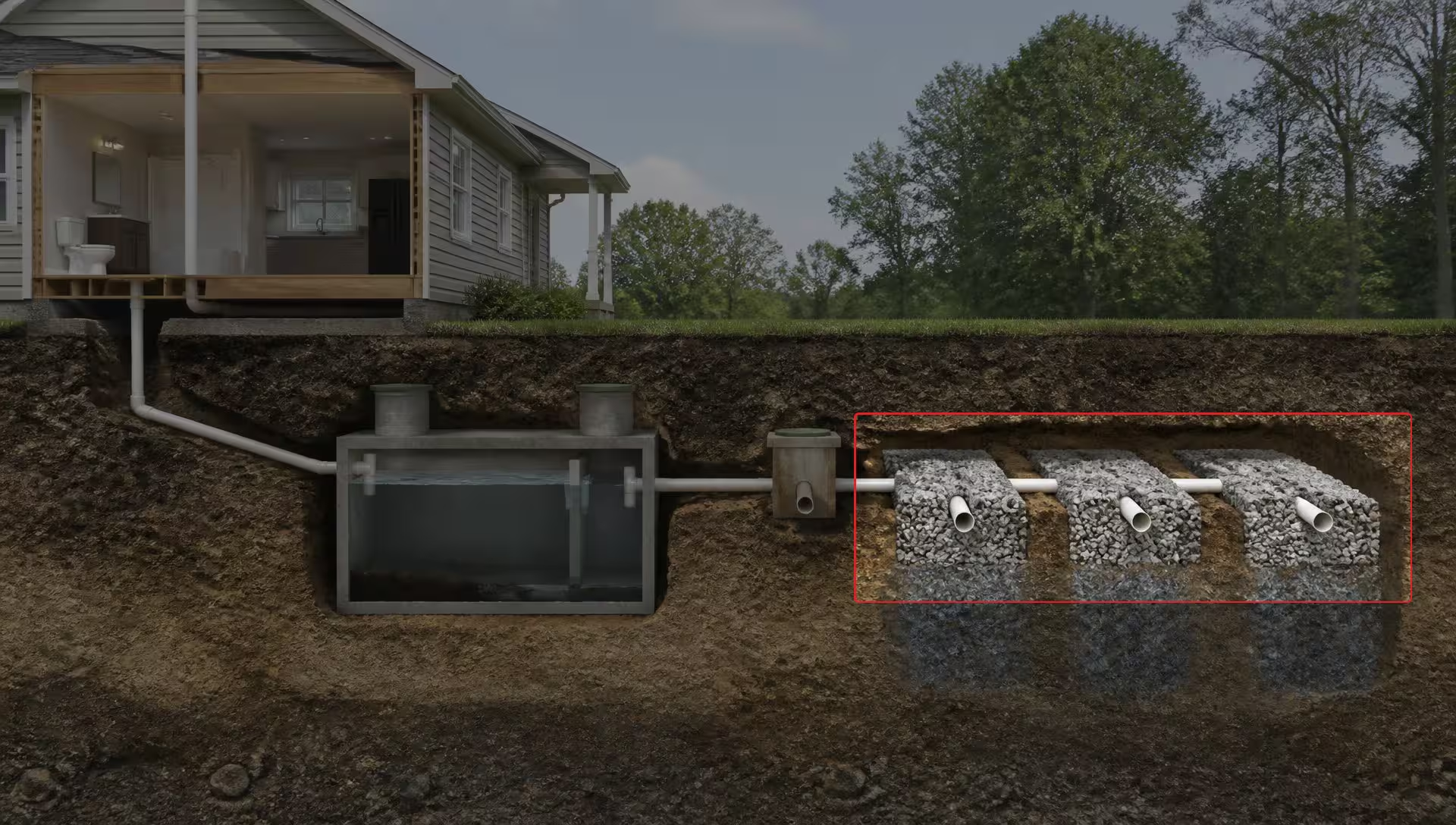
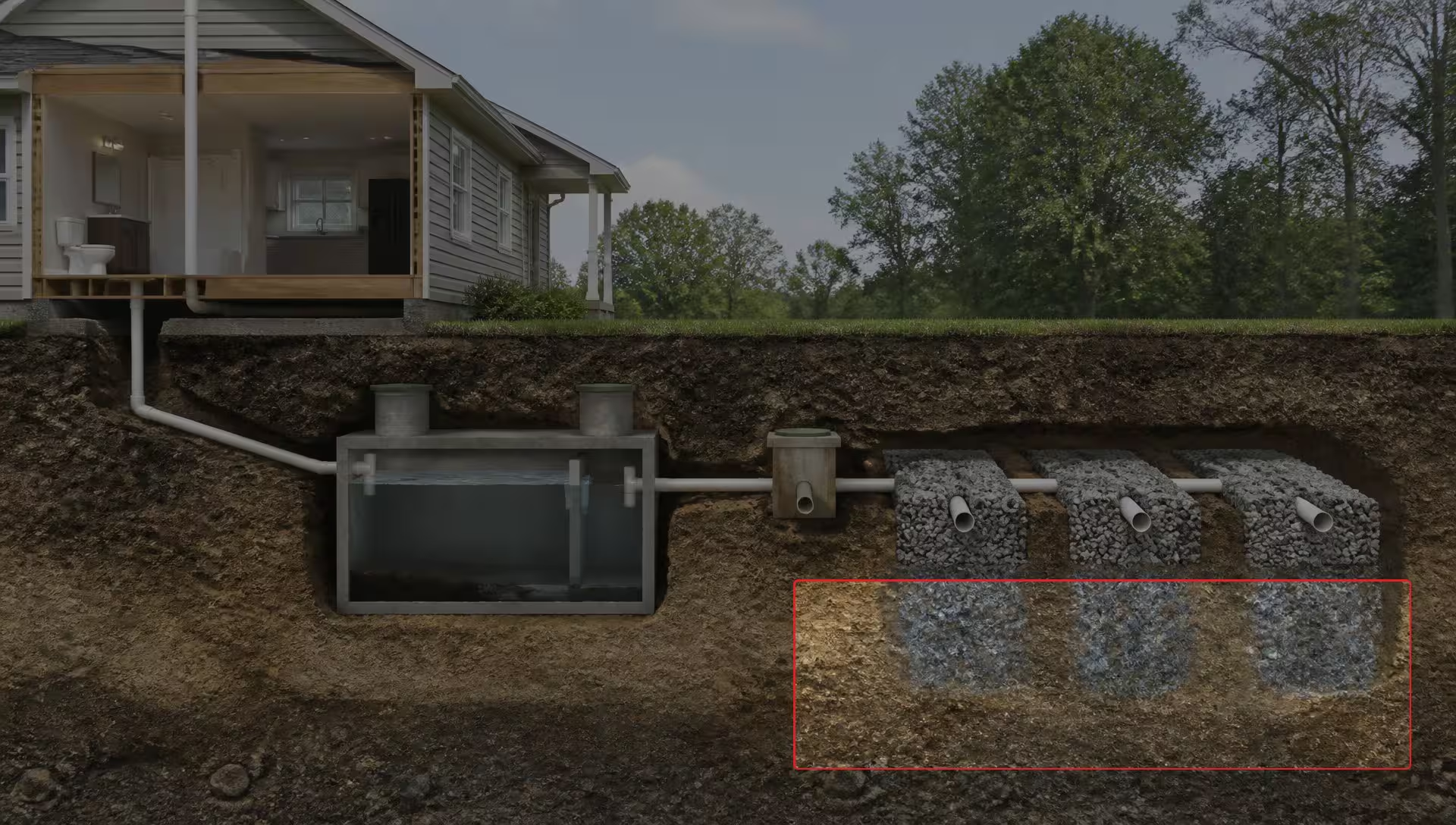
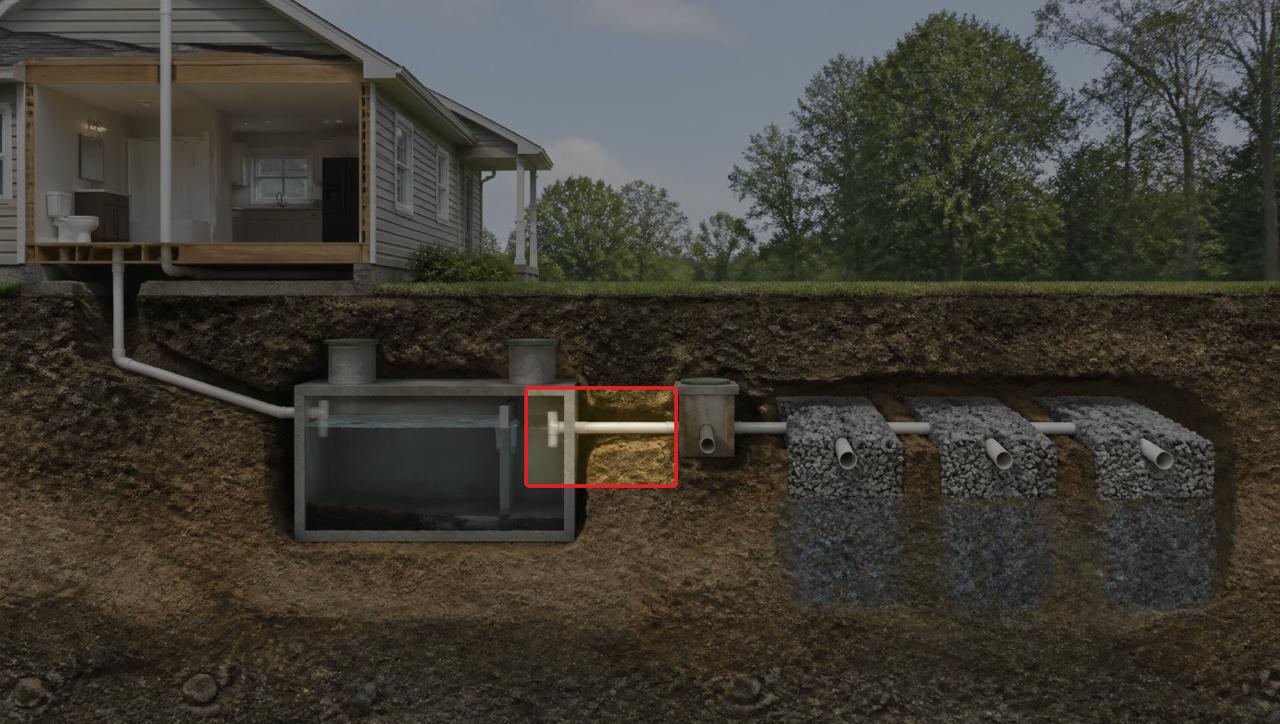
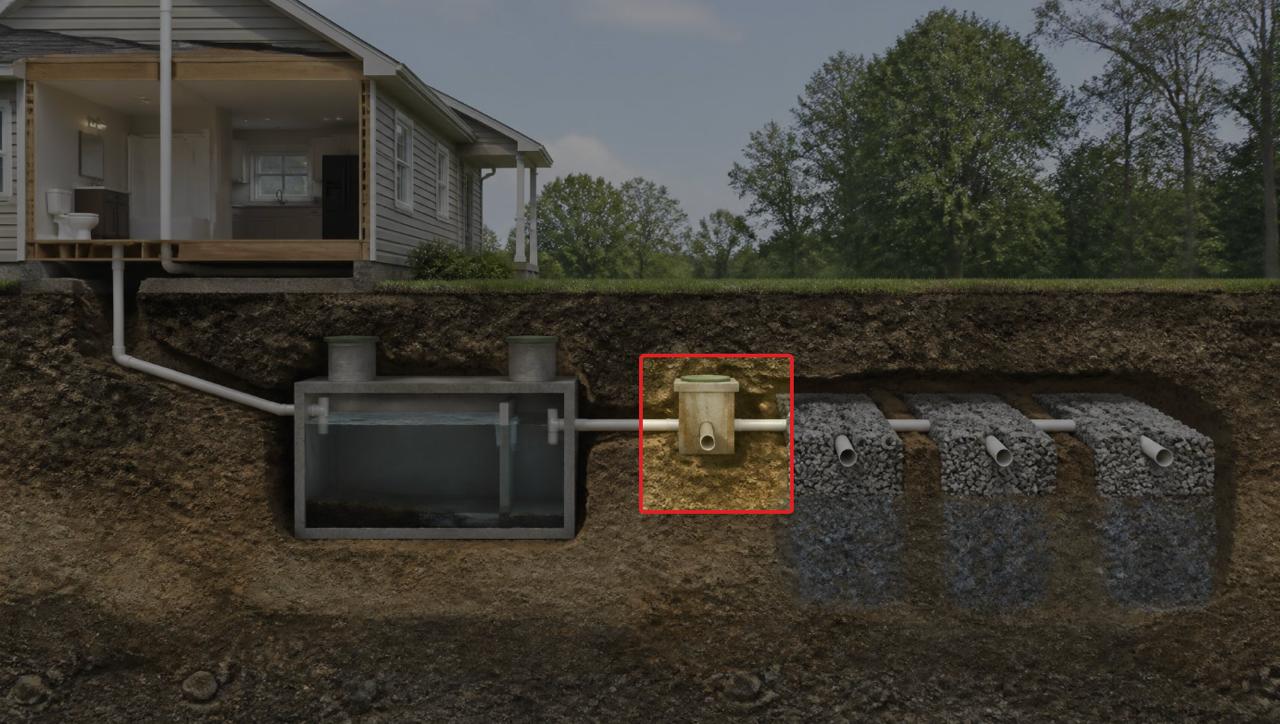
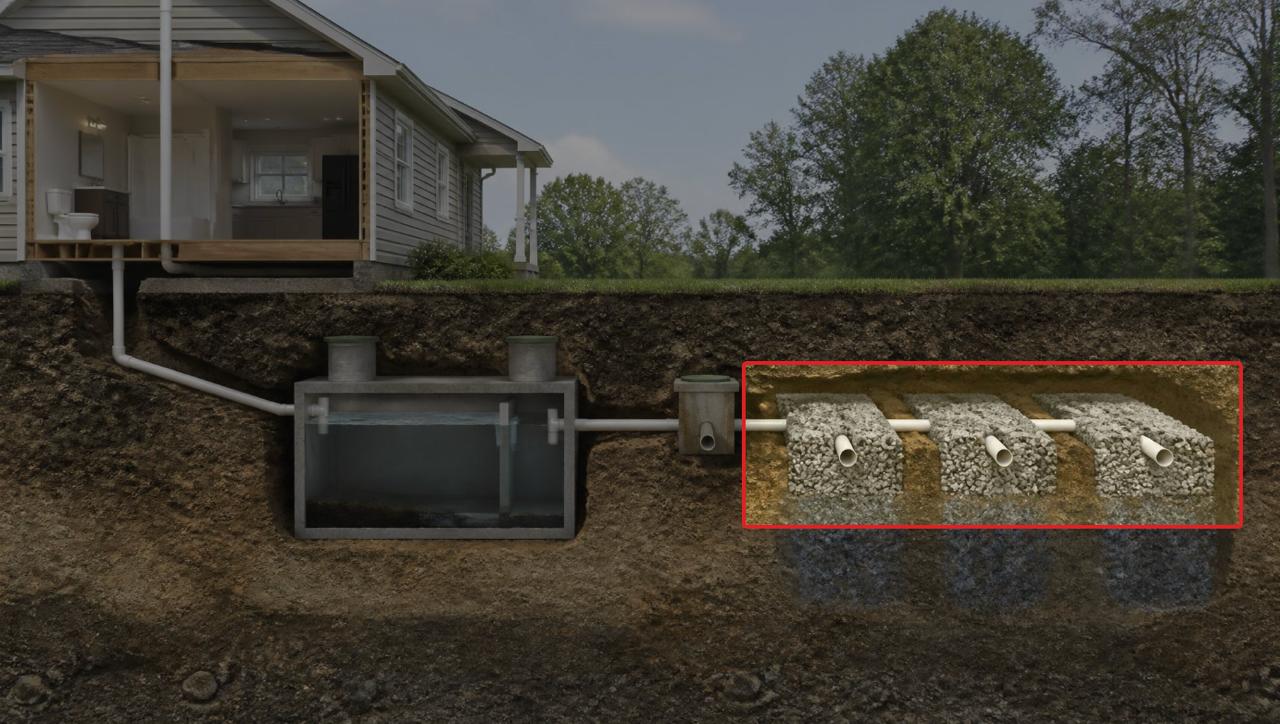
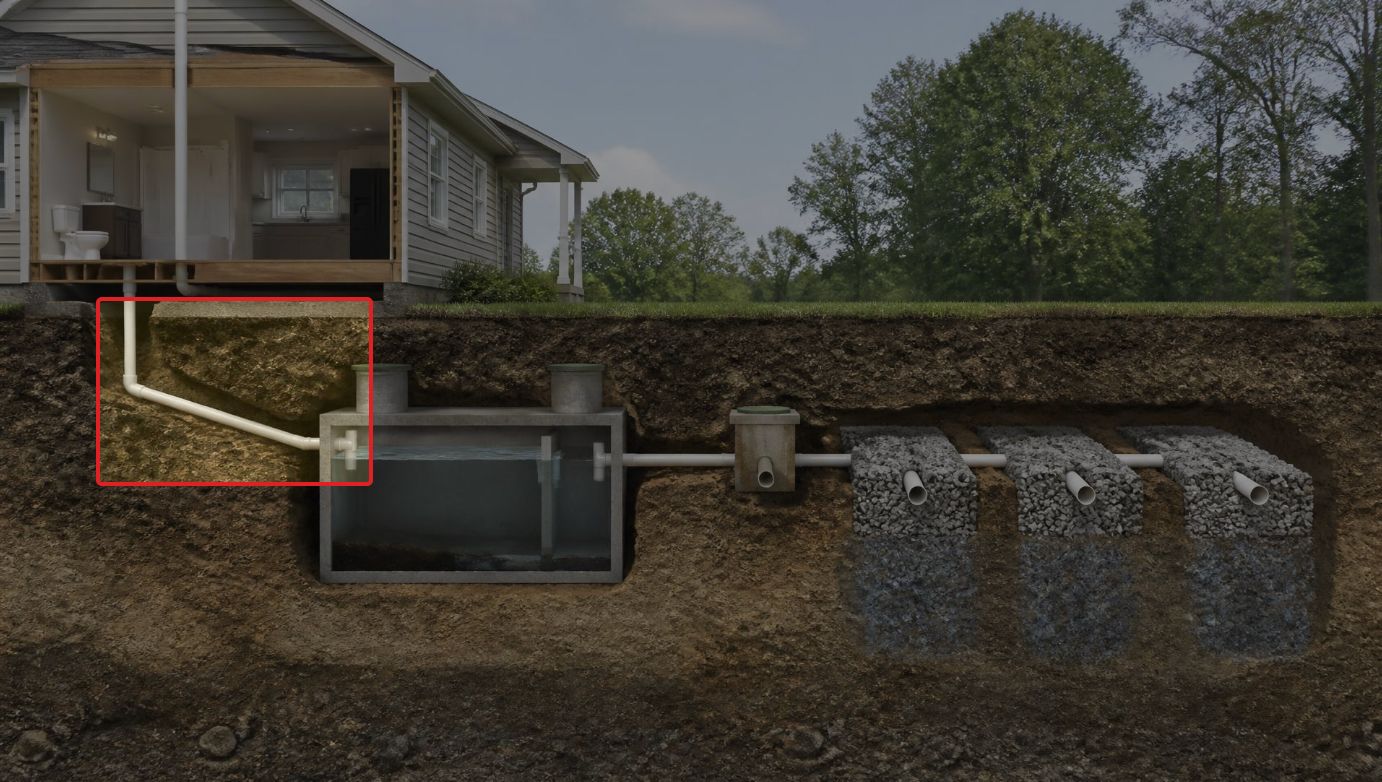
Your septic tank is only one part of the entire system.
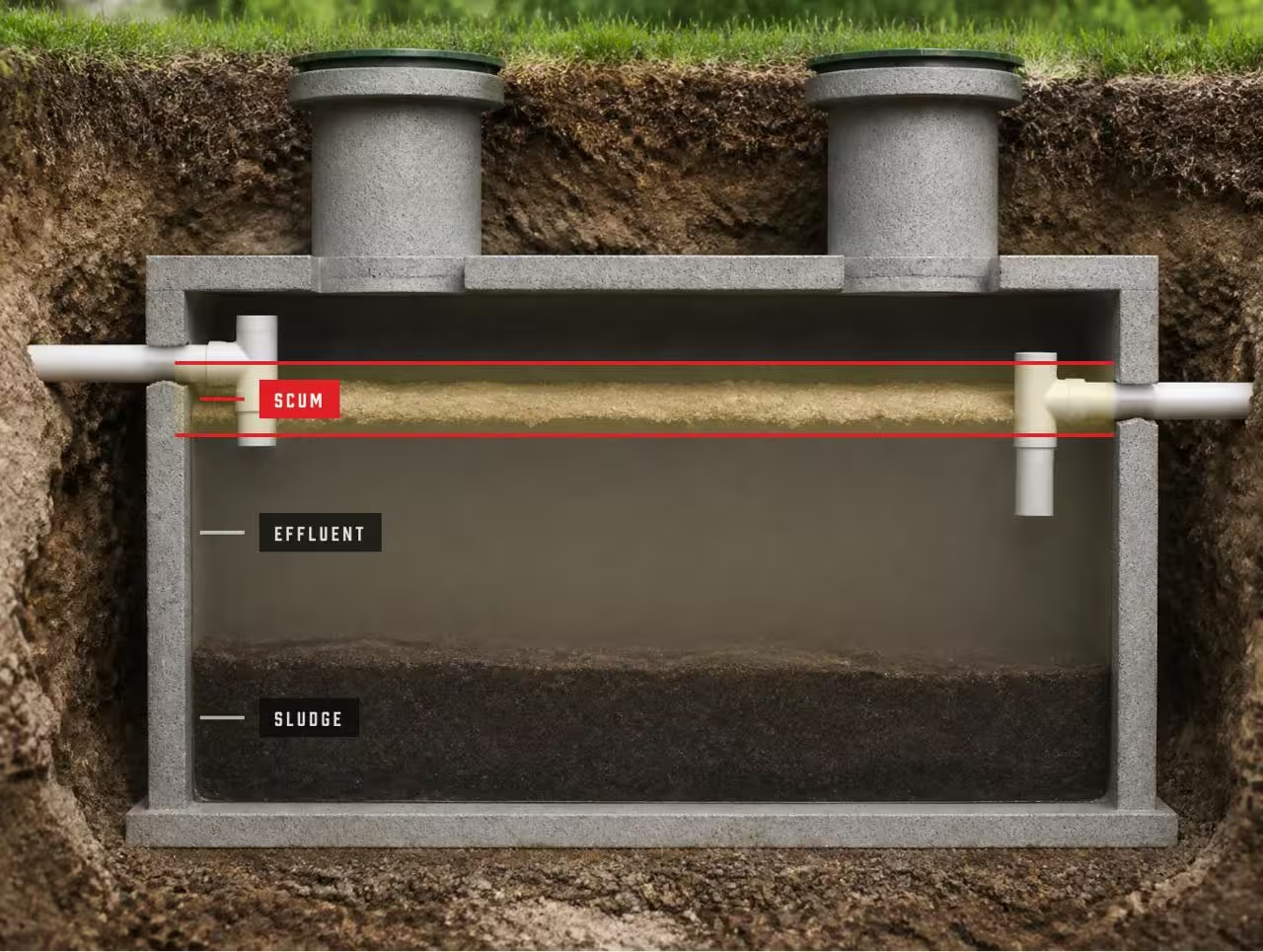
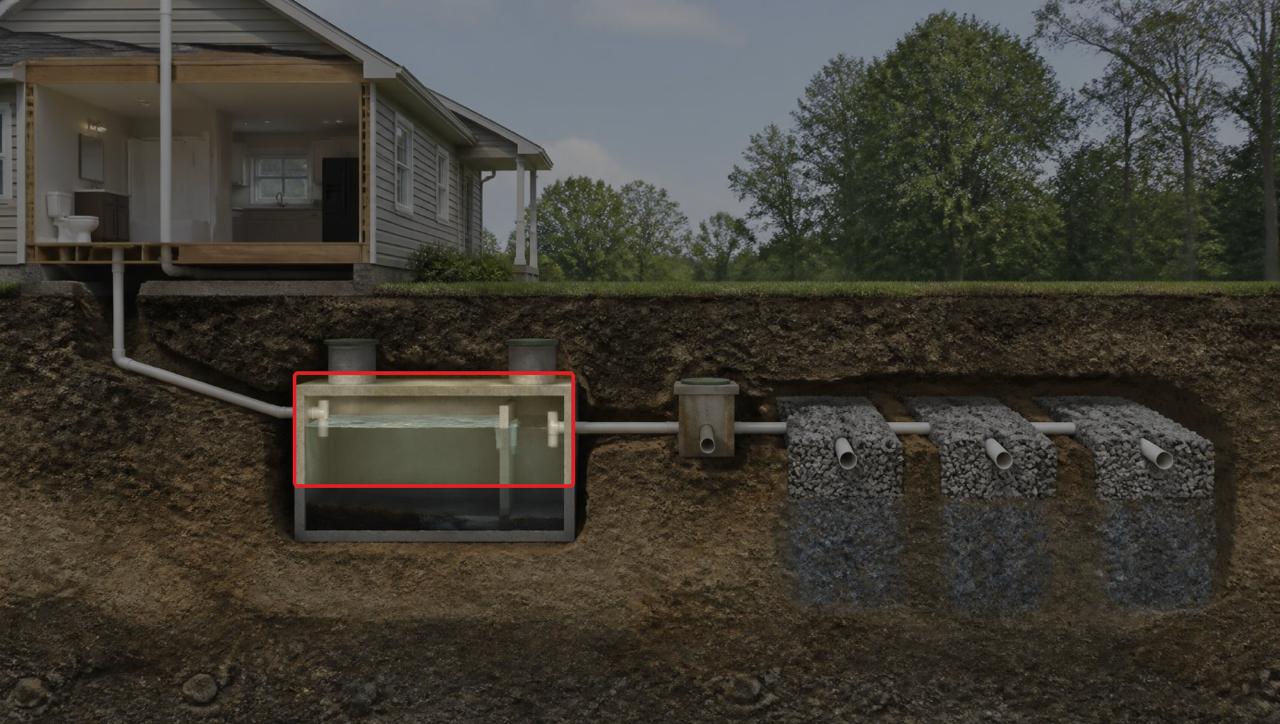
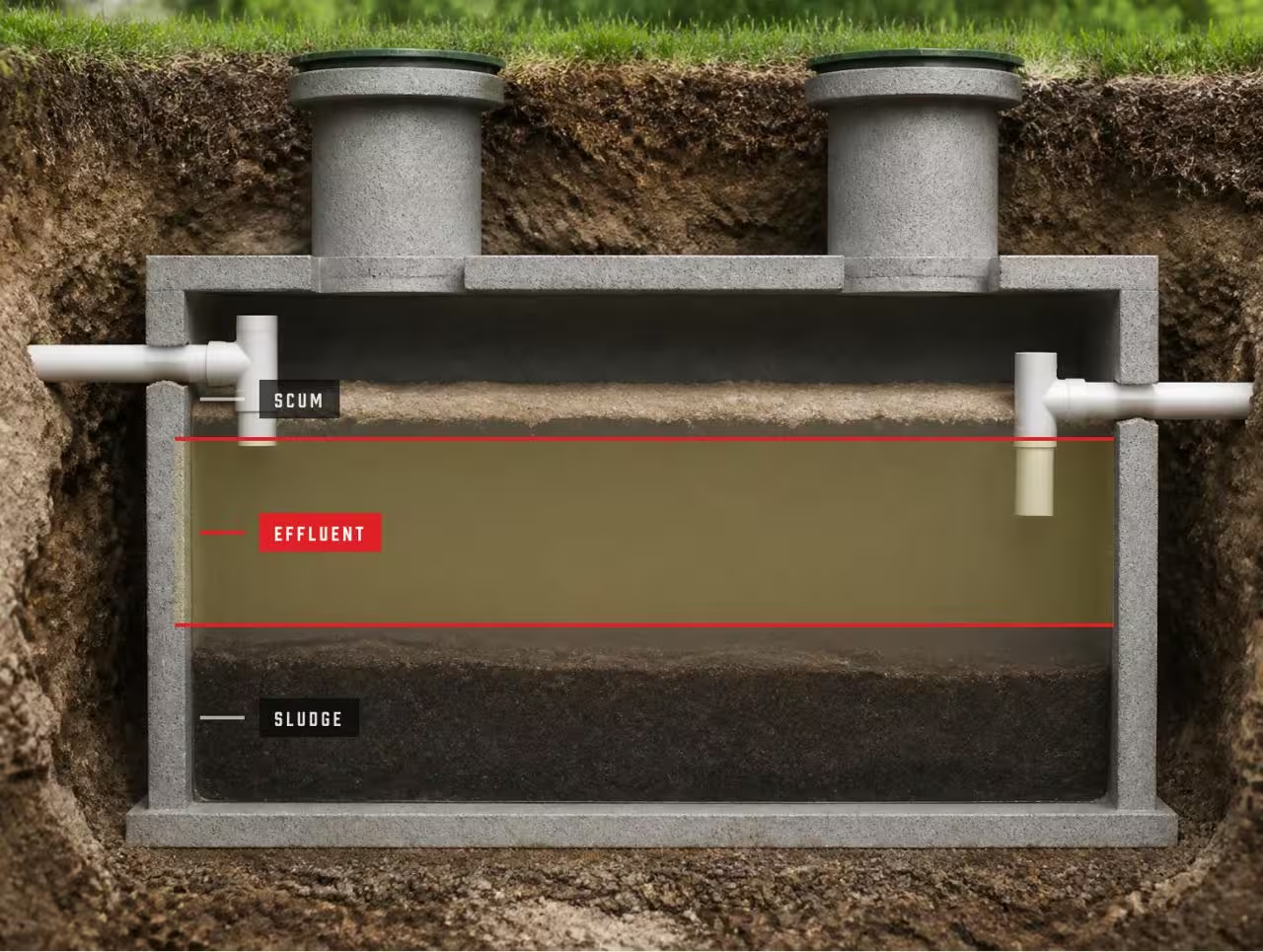
Over time, accumulated solids reduce usable tank capacity. That's one reason routine pumping matters.
Learn about septic pumping
What goes down your drains can affect how your septic system performs.
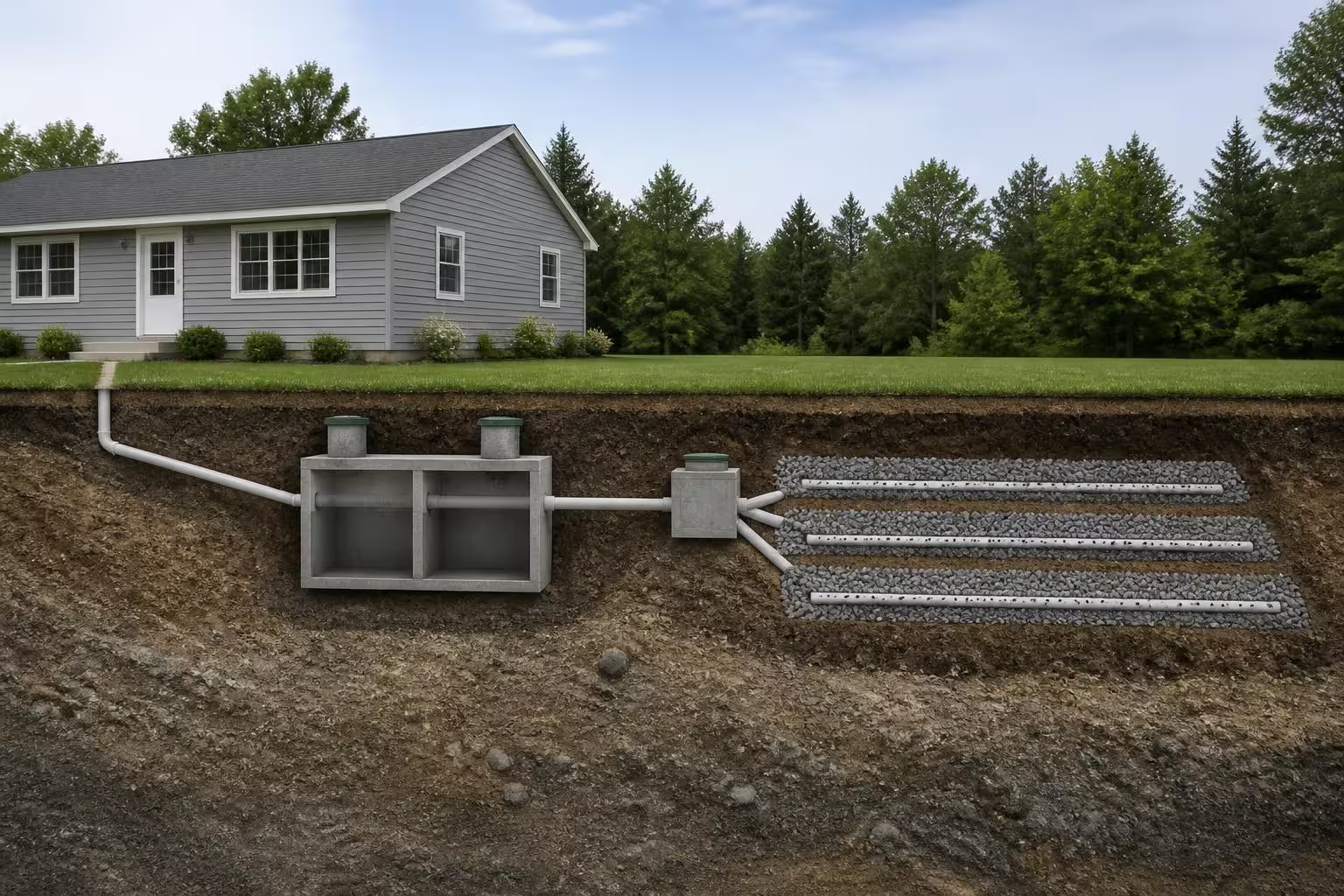
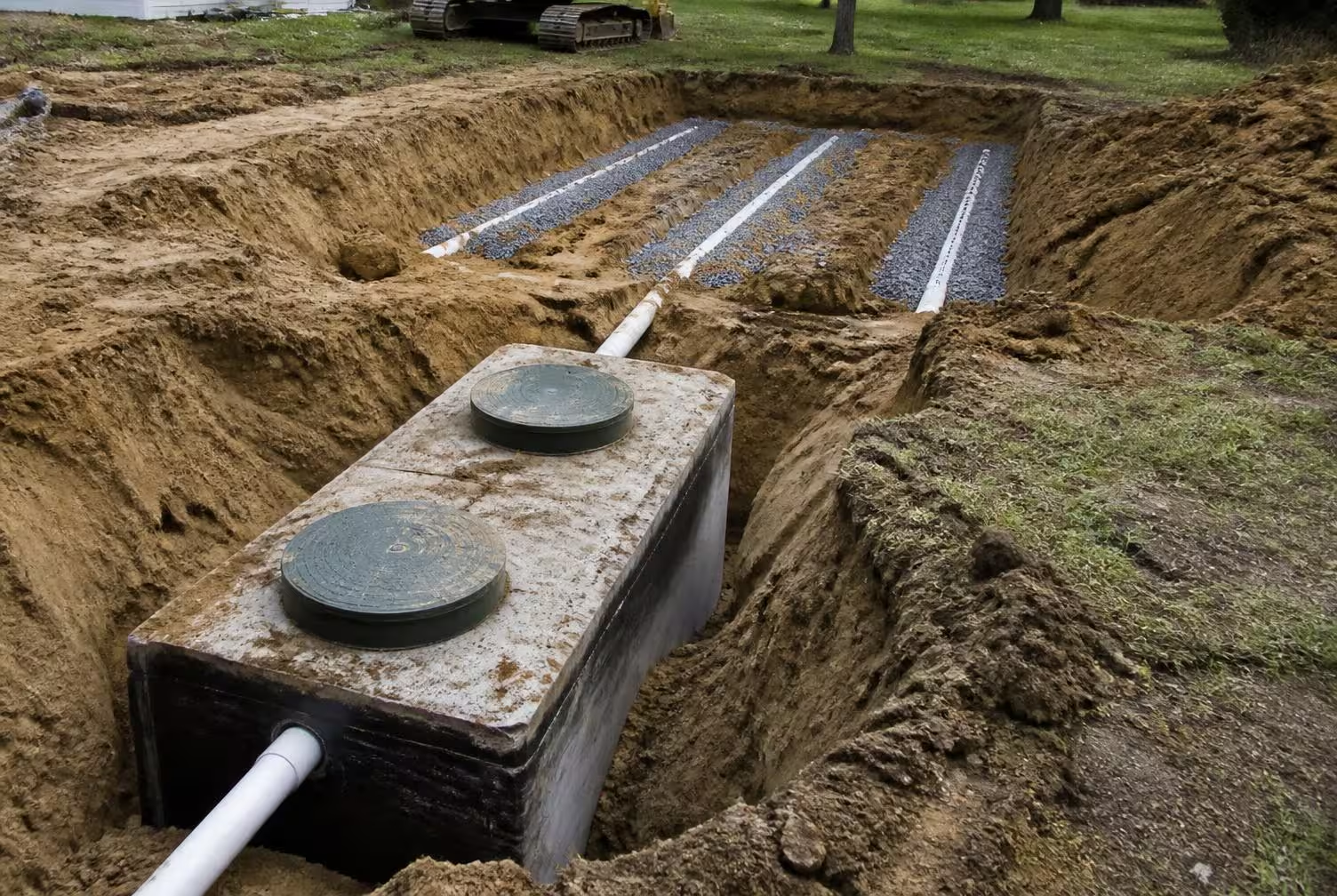
Typically relies on a septic tank followed by soil-based treatment and dispersal.
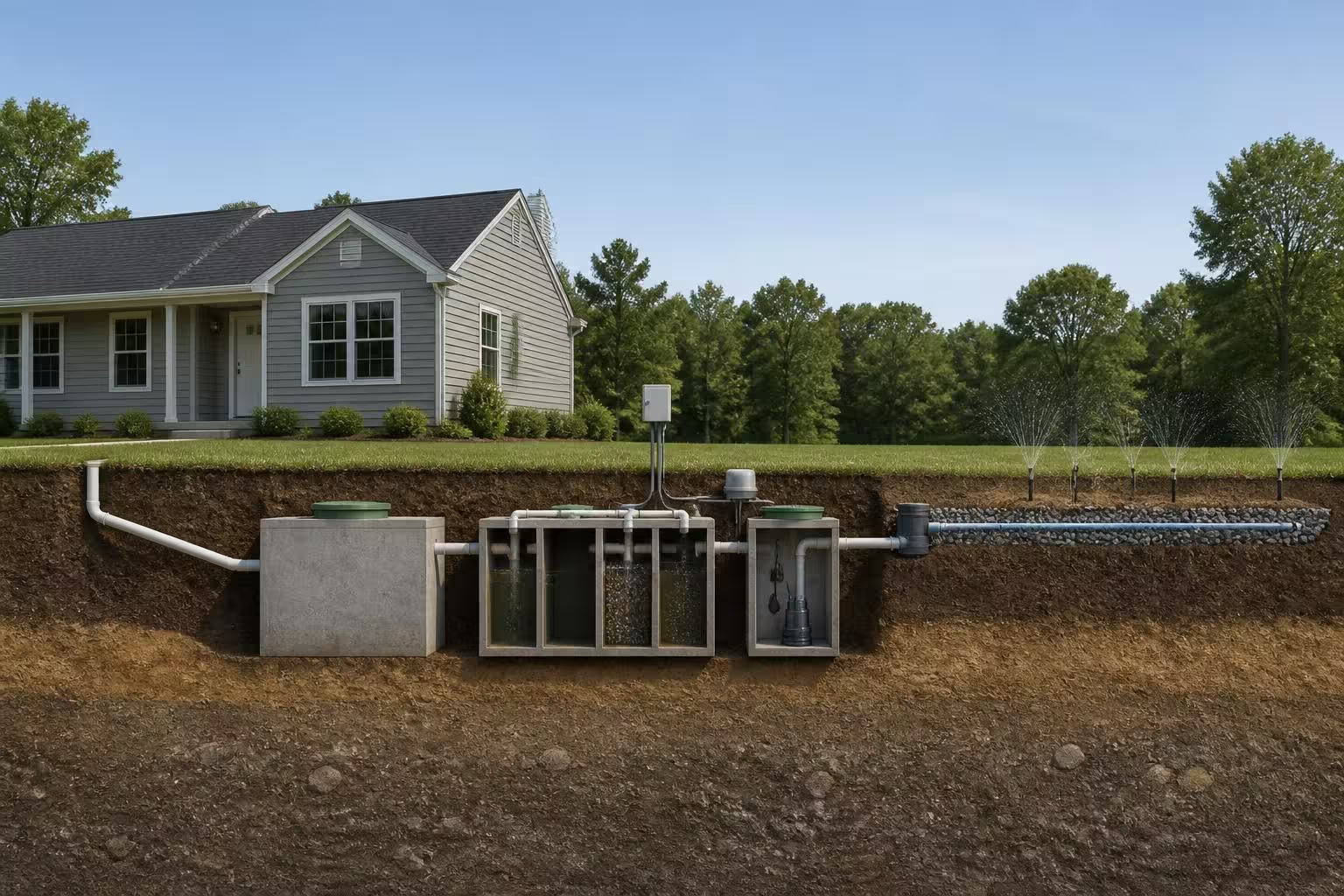
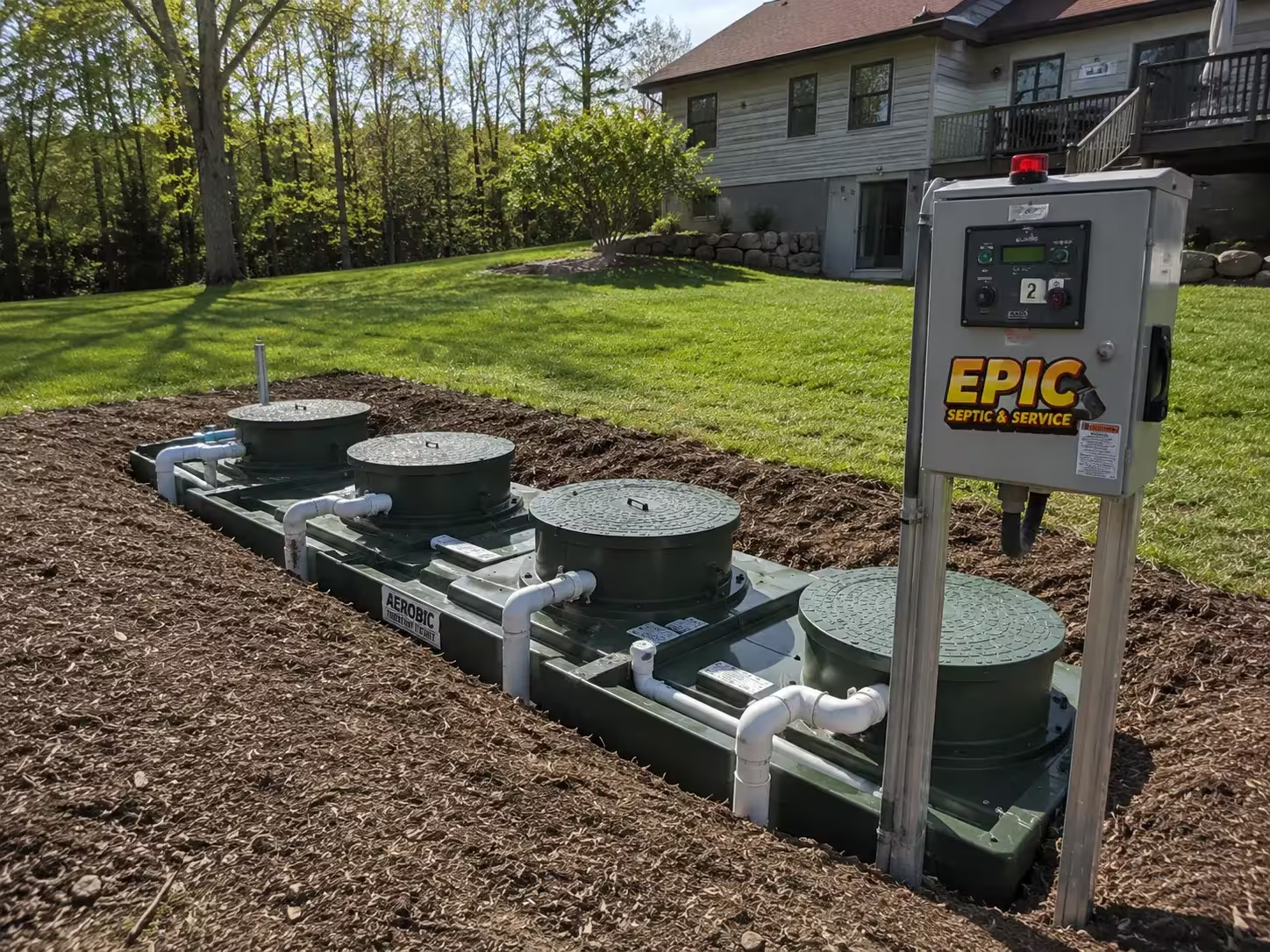
Uses additional treatment components and oxygen to treat wastewater before dispersal.
Typically relies on a septic tank followed by soil-based treatment and dispersal.
Uses additional treatment components and oxygen to treat wastewater before dispersal.
EPIC can help identify your system and explain how it works. Ask about septic inspections or aerobic system service.
Here's what it would probably ask you to stop doing.
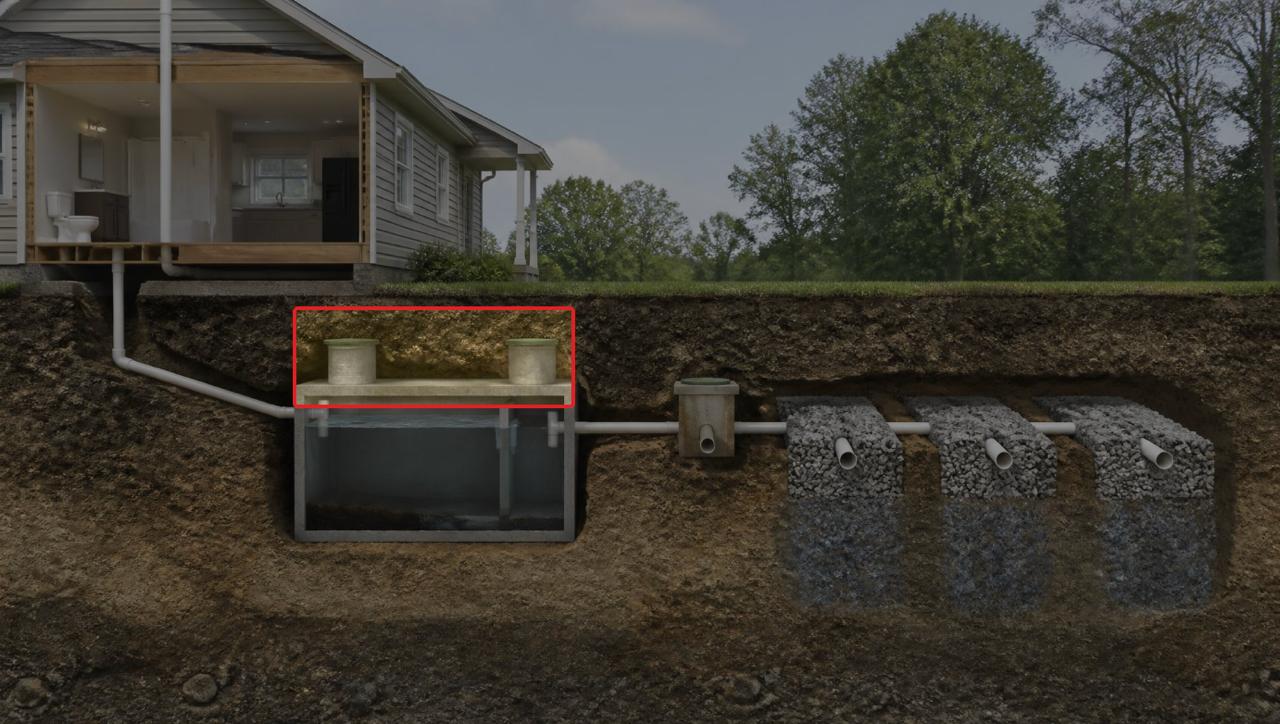
Knowing where your tank and dispersal area are located can make future service much easier.
A little attention goes a long way. Your maintenance schedule should be based on your specific system and household usage.
System type, location, and components.
Service dates, inspections, and repairs.
Drains, odors, ground conditions, alarms.
Based on your system and household usage.
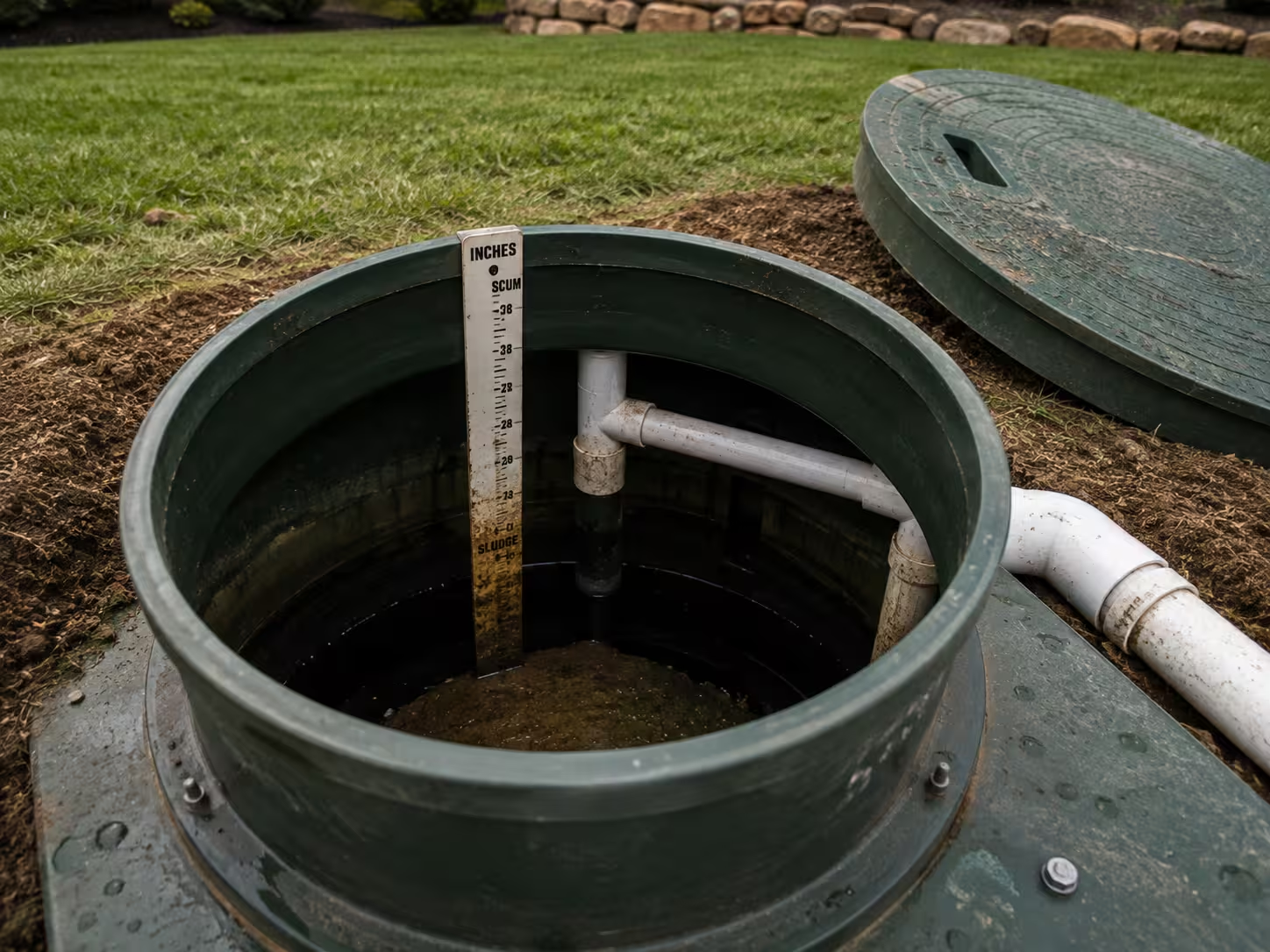
An alarm doesn't automatically mean the entire system has failed—but it does mean you shouldn't ignore it.
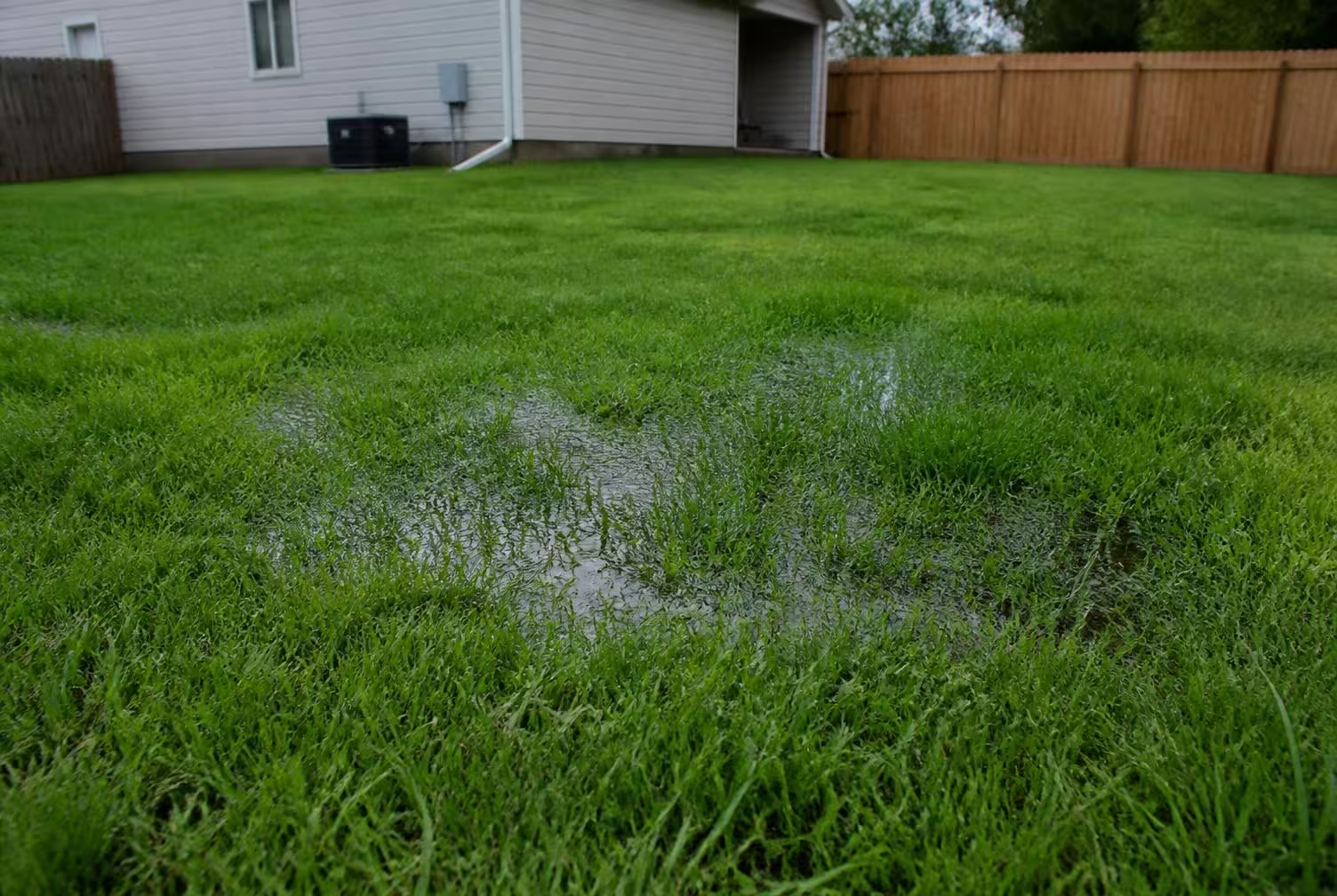
One symptom doesn't always identify the cause—but these are good reasons to have the system checked. Start with an inspection or a repair evaluation.
Call Now 877-771-3742

You don't need to become a septic expert. You just need to understand the basics, recognize when something changes, and know who to call when you need help.
Pumping, cleaning, and scheduled maintenance.
Backups, odors, alarms, or standing water.
We'll identify it and explain how it works.
Get a free quote
Call 877-771-3742